
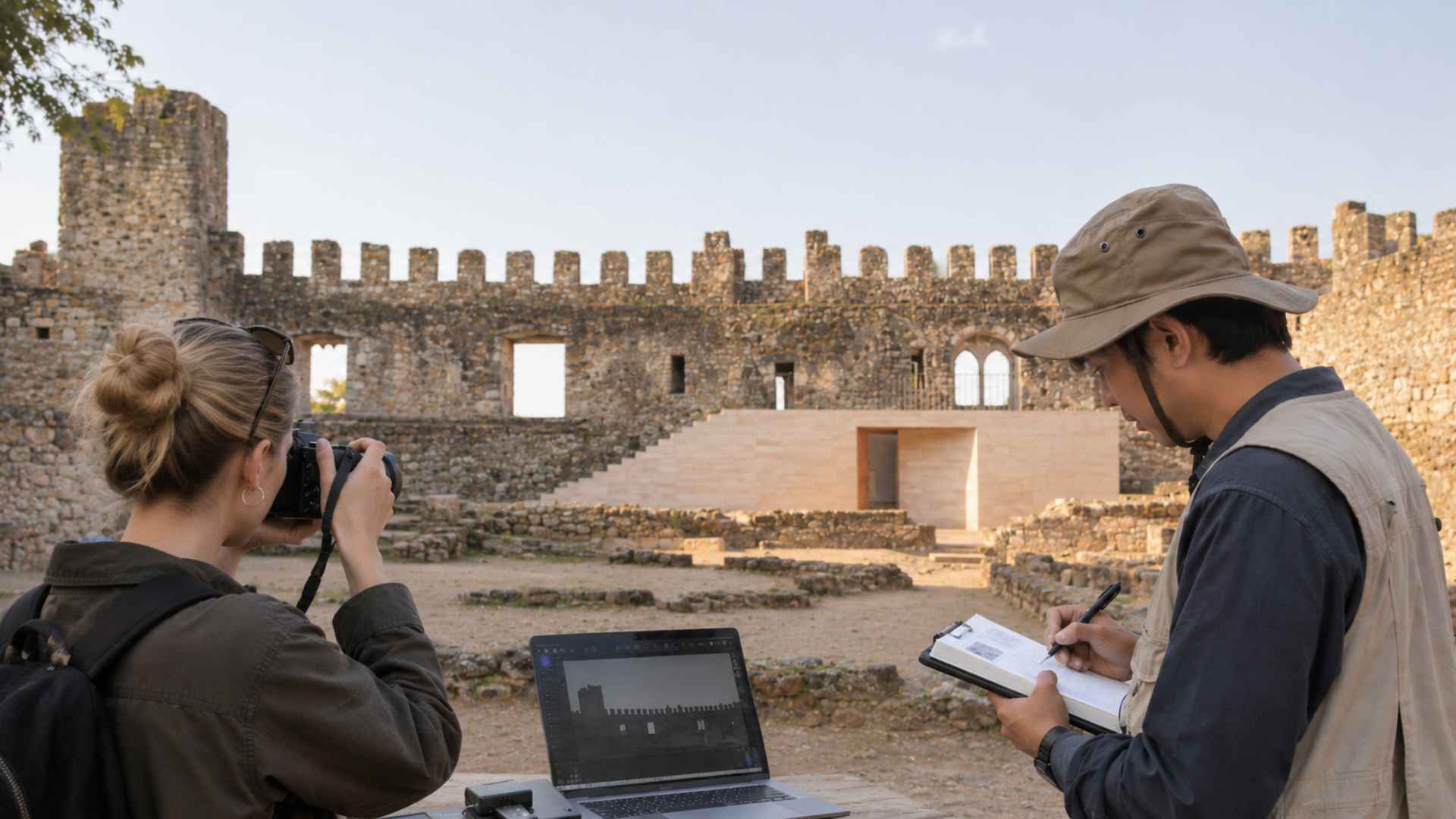
Historic buildings carry more than visual beauty. They also preserve knowledge about how people designed, constructed, and maintained structures in earlier times. Many traditional building techniques were developed through years of practical experience, using materials that were easily available in local environments. However, some of these methods are slowly disappearing as modern construction becomes more common. Documentation of lost building techniques in architectural heritage helps protect this valuable knowledge and keeps traditional construction practices from being forgotten.
Recording these techniques is important for understanding the original character of historic structures. Old buildings often contain details that cannot be fully explained through photographs or written descriptions alone. Their construction methods, material combinations, and decorative elements reveal how previous generations solved practical building challenges. By collecting this information, restoration professionals, researchers, and future generations can better understand traditional craftsmanship and make more informed decisions when preserving architectural heritage.
Understanding Traditional Building Techniques In Historic Architecture
Traditional building techniques developed according to local climates, available resources, cultural practices, and construction knowledge. In many regions, builders relied on materials such as timber, natural stone, clay, lime, and bamboo. These materials were selected based on their physical properties and suitability for local conditions. For example, traditional timber structures often used carefully designed wooden joints instead of metal fasteners. Meanwhile, stone buildings depended on different masonry patterns and bonding methods to distribute structural loads effectively.
Over time, industrial materials and modern construction systems replaced many traditional practices. Concrete, steel, and manufactured products made certain building processes faster and more standardized. Although these developments brought practical advantages, they also reduced opportunities for traditional skills to be passed between generations. Some specialized methods are now known only to a small number of experienced craftspeople. Without proper records, important details about material preparation, construction sequences, and maintenance practices may disappear when these skilled workers retire or pass away.
Methods For Documenting Lost Construction Skills And Materials
Documenting traditional construction methods requires more than taking pictures of an old building. The process usually begins with a detailed building survey to identify structural components, construction materials, surface finishes, and visible signs of previous repairs. Measurements, drawings, photographs, and written observations help create a reliable record of existing conditions. Researchers may also examine historical documents, architectural drawings, and surviving construction samples to understand how particular elements were originally made. Combining these methods provides a clearer picture of the building’s construction history.
Interviews with traditional builders, restoration specialists, and local craftspeople can provide additional information that may not appear in historical records. Their practical knowledge can explain how materials were prepared, how joints were assembled, and which tools were traditionally used. When possible, these conversations should be recorded and supported by photographs or video demonstrations. Digital documentation, including three dimensional scanning and photogrammetry, can also capture complex architectural details with considerable accuracy. These records make traditional construction knowledge easier to study, compare, preserve, and share with future restoration teams.
Why Preserving Lost Building Techniques Matters For Restoration
Preserving traditional construction knowledge plays an important role in responsible architectural restoration. Historic buildings were often designed using materials and methods that worked together as a complete system. Replacing original components with modern alternatives without understanding their behavior can create unexpected problems. For example, traditional lime based mortar allows moisture to move through masonry differently from dense cement mortar. Using an unsuitable replacement may contribute to trapped moisture, surface deterioration, or damage to softer historic bricks and stones. Understanding original materials helps restoration teams choose more compatible repair methods.
Documentation also supports the protection of cultural identity and local architectural character. Traditional buildings reflect the lifestyles, environmental knowledge, and craftsmanship of the communities that created them. Their construction details often show how people adapted to rainfall, temperature changes, earthquakes, and locally available materials. When these techniques are recorded, communities have a better chance of maintaining their architectural traditions. The information can also support training programs where younger craftspeople learn practical skills from experienced builders, helping traditional knowledge remain useful rather than becoming only a subject of historical interest.
Today, architectural heritage conservation increasingly benefits from combining traditional knowledge with appropriate modern technology. Digital archives can store photographs, measured drawings, material information, repair histories, and recorded interviews in one organized collection. However, digital records should be regularly updated and supported by clear descriptions so that future users can understand the information correctly. Documentation should also include unsuccessful repairs and observed material changes, not just successful restoration work. By maintaining accurate records and respecting original construction methods, preservation professionals can make better decisions. This approach helps protect historic buildings while ensuring that valuable building techniques remain accessible to future generations.