
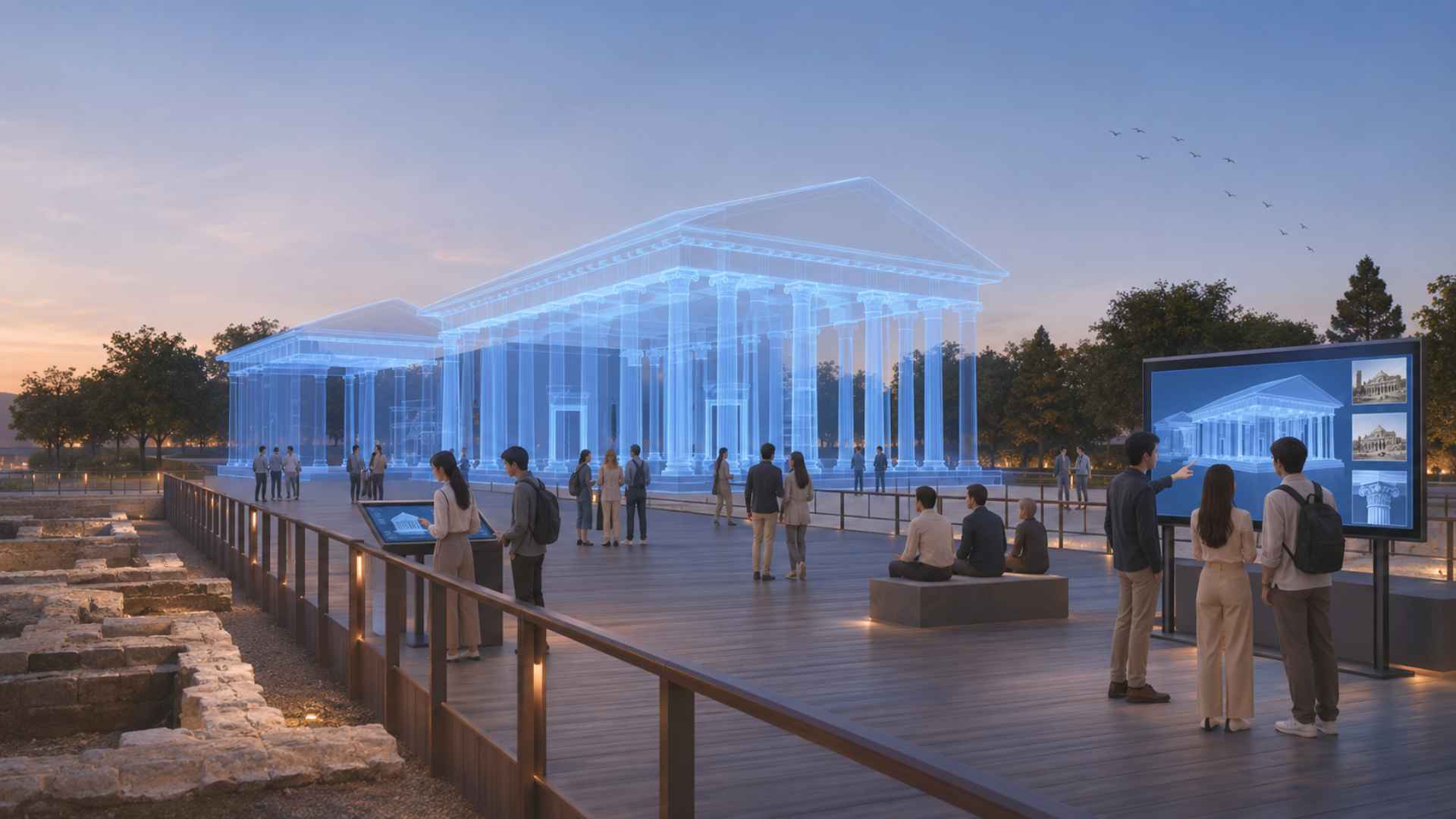
Historical architecture tells stories about the past through building designs, materials, and construction techniques. However, many old structures have been damaged, changed, or completely lost over time. This makes it difficult for people to understand how these buildings originally looked and functioned. Digital reconstruction offers a practical way to bring these architectural stories back to life through modern technology.
By using 3D modeling, digital imaging, and historical references, researchers can create visual representations of buildings from different periods. This approach helps people see architectural details that may no longer exist in the real world while making historical information easier to understand.
The Role of Digital Reconstruction in Preserving Historical Architecture
Digital reconstruction plays an important role in understanding buildings that have changed over centuries. Historical photographs, drawings, written records, and archaeological findings can be combined to create digital models of old structures. These models help researchers visualize original layouts, building shapes, and decorative features that are difficult to recognize today. Instead of relying only on written descriptions, people can see how historical buildings may have appeared in their original condition.
Another important benefit is that digital reconstruction helps preserve architectural information for future generations. Physical buildings can be affected by weather, natural disasters, human activities, and aging materials. Digital models provide an additional record of their appearance and structure. Even when parts of a building are damaged or disappear, digital documentation can help keep its architectural history accessible for research, education, and cultural preservation.
Modern Technologies Used in Digital Architectural Reconstruction
Several digital technologies make historical architectural reconstruction more detailed and accessible. Three dimensional modeling software allows designers to recreate walls, roofs, columns, windows, and other architectural elements. Photogrammetry can also turn photographs into detailed 3D models, while laser scanning captures accurate measurements of existing structures. By combining these methods, researchers can produce digital representations that show both the overall design and smaller architectural details.
These technologies also make it easier to study different stages of a building’s history. Researchers can create separate digital models to represent how a structure may have looked when it was first built, how it changed over time, and what remains today. This visual comparison provides a clearer understanding of architectural development. It also allows experts to examine design choices and construction methods without making physical changes to the original building.
3D Modeling for Recreating Lost Architectural Details
3D modeling is one of the main tools used to rebuild the appearance of historical structures digitally. Designers use available measurements, old drawings, photographs, and historical descriptions to create digital versions of missing architectural elements. This process can include rebuilding decorative ceilings, damaged facades, ancient columns, and original room layouts. The result gives viewers a clearer picture of the building’s possible appearance while keeping the original structure untouched.
Photogrammetry and Laser Scanning for Accurate Documentation
Photogrammetry and laser scanning help capture the physical details of historical buildings. Photogrammetry uses multiple photographs taken from different angles to create a three dimensional representation, while laser scanning records precise surface measurements. These methods are useful for documenting complex architectural features, including stone textures, carved decorations, and structural damage. The collected information can then support digital reconstruction and provide valuable records for future conservation projects.
Virtual Reality for Experiencing Historical Buildings
Virtual reality adds another dimension to digital reconstruction by allowing people to experience historical spaces in an immersive way. Users can virtually walk through reconstructed buildings, view interior spaces, and understand how different areas connect. This experience makes architectural history more engaging, especially for students, visitors, and people who cannot access the original location. Virtual environments can also help explain how historical buildings were used in everyday life.
The Benefits of Digital Reconstruction for Research and Cultural Heritage
One major benefit of digital reconstruction is its ability to make historical architecture easier to study and share. Researchers can examine building designs from different locations without always traveling to the original sites. Educational institutions can use digital models to explain architectural styles, historical periods, and construction techniques through visual examples. Museums and cultural organizations can also present reconstructed buildings in exhibitions, websites, and virtual experiences, helping more people connect with architectural heritage.
Digital reconstruction also supports better decision making in historical preservation. By comparing digital models with existing building conditions, conservation teams can identify missing features, document structural changes, and understand areas that may need attention. However, reconstruction should always be based on reliable historical evidence. When information is incomplete, uncertain details should be clearly identified rather than presented as confirmed facts. With careful research and responsible use of technology, digital reconstruction can become a valuable tool for protecting architectural history and keeping the stories of historic buildings alive.